Apple’s fall event is still the Super Bowl of consumer tech, but now it feels more like watching a dynasty team run the ball up the middle. The iPhone 17 Pro is sturdier, with Ceramic Shield 2 and a unibody aluminum frame. The overheating problems of the titanium 15 Pro are fixed with a vapor chamber. Battery life is better. Cameras are sharper, with 48-megapixel sensors across the board and a Center Stage selfie camera that finally makes landscape selfies tolerable. It’s all good. It’s all incremental. And that’s the paradox: when you’ve already perfected the form factor (ie. a glass-and-metal slab that fits in your pocket) “new” mostly means “better.”
The iPhone Air is the exception, Apple’s big swing at reinvention. It’s thinner and lighter than anything before it, so thin you almost wonder if it breaks the first time you sit down with it in your pocket. But the compromises are obvious: weaker battery, fewer cameras, and a $99 battery attachment that is “optional” in the same way a charger is “optional”. It’s a marvel of engineering, but it’s also a proof of concept, a future you can look at but maybe shouldn’t buy yet. A triumph and a gimmick at the same time.
Meanwhile, Apple Watch and AirPods got modest but meaningful updates: hypertension detection that works across older models, satellite texting for hikers, and AirPods Pro 3 with heart-rate monitoring and a better fit. These are smart, thoughtful improvements that lock people deeper into the ecosystem. But they’re not going to make teenagers line up outside Apple stores or send X (tTwitter) into a frenzy. They’re utilities, not cultural moments.
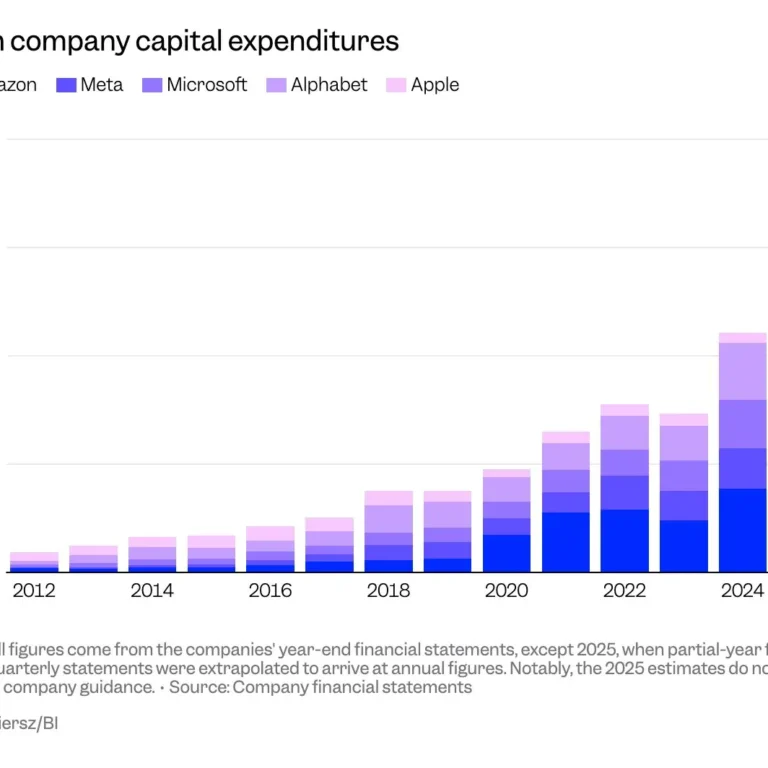
And that’s really the shift. Apple is still a juggernaut, still running a business model that marries hardware and software better than anyone. The company is printing money from services, App Store fees, and Google’s $20 billion a year just to stay the iPhone’s default search engine. But the cost of those easy profits is visible. Apple didn’t invest in the messy stuff (data infrastructure, search, or AI) and now finds itself playing catch-up. When people talk about “the future”, they’re talking about Musk’s robotaxis, humanoid robots, or rockets, not Apple’s vapor chamber cooling system (!)
The irony is that Apple is still innovating internally. The iPhone Air’s engineering is extraordinary. The iPhone 17 Pro is probably the best smartphone ever made. But the vibe has changed. A decade ago, Apple events were the future. Now they’re the present, iterated. That’s not bad, but it’s arguably the most enviable corporate position on Earth. But it means Apple has slipped from being the company you follow to see what’s next, to the company you buy from because you know exactly what you’re getting, ie. the best version of the same thing you already own.
So yes, Apple is still changing the world. Just not in the way that captures imagination anymore. They’re the mature incumbent, selling a better kind of a utility, while the crazy moonshot stuff (EVs, robots, AI) is happening somewhere else. The danger is that Apple will lose relevance in the cultural imagination. And for a company built on making people want to be part of its story, that’s the real cost of incrementalism. LINK